







Experimental Background:
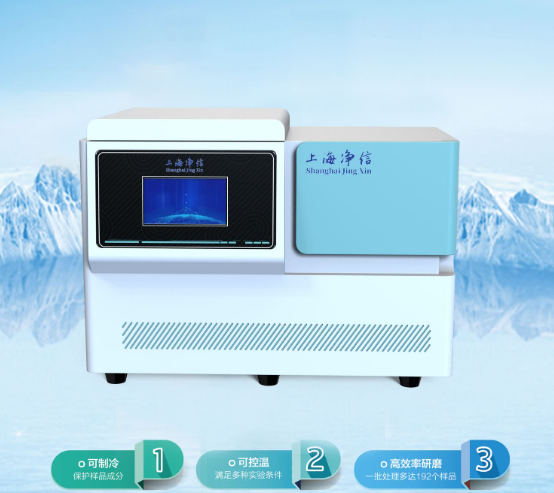
Molecular identification of Traditional Chinese Medicinal (TCM) materials and their preparations—such as DNA barcoding and PCR assays—is a critical method for ensuring the quality and authenticity of herbal medicines. However, TCM samples (especially roots, stems, barks, and seeds) typically contain abundant cellulose, polysaccharides, polyphenols, and secondary metabolites. Coupled with robust cell walls, these characteristics necessitate thorough homogenization.
Utilizing a Cryogenic Grinder to rupture cell walls and release nucleic acids is essential. This ensures high-quality sample preparation, guaranteeing the accuracy and reliability of downstream molecular identification.
Instrument Advantages:
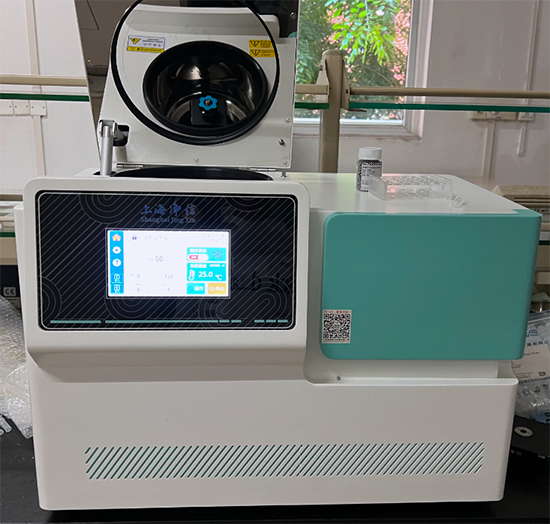
Jingxin Cryogenic Grinder JXFSTPRP-CLN
Compared to traditional manual grinding, the Jingxin Cryogenic Grinder offers distinct advantages:
Low-Temperature Protection & Anti-Degradation
Maintaining a -50°C environment during grinding effectively inhibits intracellular DNase activity, preventing DNA degradation and preserving the integrity of the DNA double helix.
High-Efficiency & Strong Compatibility
Rapidly pulverizes samples into fine powder within 1-3 minutes, significantly increasing cell wall disruption rates. This allows lysis buffers to contact cellular contents more thoroughly in subsequent steps.
High-Throughput & Cross-Contamination Prevention
Capable of processing up to 192 samples simultaneously using centrifuge tubes or grinding jars. Samples are processed in independent, sealed tubes, eliminating cross-contamination—a crucial feature for high-sensitivity downstream PCR applications.
Standardized Operation & High Reproducibility
Parameters (frequency, duration, cycles) are precisely programmable, eliminating human error associated with manual grinding. This ensures batch-to-batch consistency and reliable experimental results.
Experimental Objective:
Grind TCM samples for DNA extraction, followed by PCR amplification.
Experimental Procedure:
1. Prepare 1 unit of Jingxin Cryogenic Grinder JXFSTPRP-CLN, 1 set of 2*50ml Stainless Steel Grinding Jars (including grinding balls), and Qi-Snake samples.
2. Cut the Qi-Snake sample into small pieces, place them into the 50ml stainless steel jar, add 1 grinding ball, and tighten the lid.
3. Insert the jar into the adapter and place it inside the grinding chamber. Set the frequency to 60Hz, duration to 90 seconds, and start the instrument.
4. After grinding, retrieve the sample from the jar for subsequent analysis.
Experimental Results:
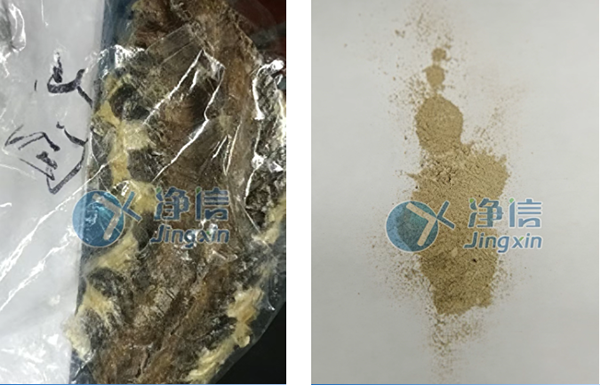
Comparative images of TCM samples before and after grinding.
Precautions:
1. Ensure the adapter is balanced.
2. Clean the stainless steel grinding jars promptly after use to prevent cross-contamination.
Conclusion:
Using the Jingxin Cryogenic Grinder for TCM sample preparation not only resolves the issue of heat-induced DNA degradation common in traditional methods but also significantly improves grinding efficiency and sample throughput.
With its simple operation and superior anti-contamination capabilities, this instrument is the ideal pre-treatment tool for DNA extraction and PCR analysis of Traditional Chinese Medicinal materials.